Reviving Heritage: Tackling "Rising Damp" in Historic Buildings with the Mape-Antique System
Reviving Heritage: Tackling "Rising Damp" in Historic Buildings with the Mape-Antique System
Restoring a historic building is not just about making it look new; it is about ensuring structural longevity without compromising its original integrity. One of the most severe "illnesses" facing ancient structures today is Rising Damp—a silent destroyer that can turn a grand monument into a crumbling ruin.
At Bel Vedere, we specialize in professional restoration using the Mape-Antique system—a world-class innovation designed specifically to let historic walls "breathe" again.
What is Rising Damp?
Historic buildings were often constructed without modern damp-proof membranes. Consequently, moisture from the ground is naturally absorbed into the porous bricks and mortar. In the past, this moisture would evaporate freely. However, when modern cement or non-breathable paints are applied during later repairs, this moisture becomes trapped, leading to:
Efflorescence: Unsightly white salt deposits on the surface.
Structural Decay: Bricks become soft and eventually disintegrate.
Hygroscopic Damage: Persistent dampness and mold growth inside the building.
Mape-Antique: The Breathable Solution
The Mape-Antique system by Mapei is a 100% Cement-Free, Lime-Pozzolan range. It is engineered to be chemically and mechanically compatible with ancient masonry.
Macroporous Technology: Unlike dense modern cement, Mape-Antique contains "macropores" that act like a vacuum, drawing moisture out of the wall and allowing it to evaporate quickly.
Salt Resistance: The system is specially formulated to resist and store soluble salts within its structure, preventing them from pushing through and damaging the finish.
Breathability: It restores the natural equilibrium of the wall, ensuring that the structure remains dry and stable for decades.
The 4-Step Restoration Process
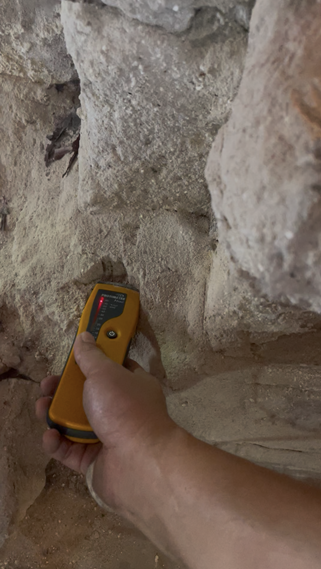
Diagnose: We identify the "damp line" (usually 1-1.5 meters from the ground) and remove old, damaged plaster to expose the original masonry.
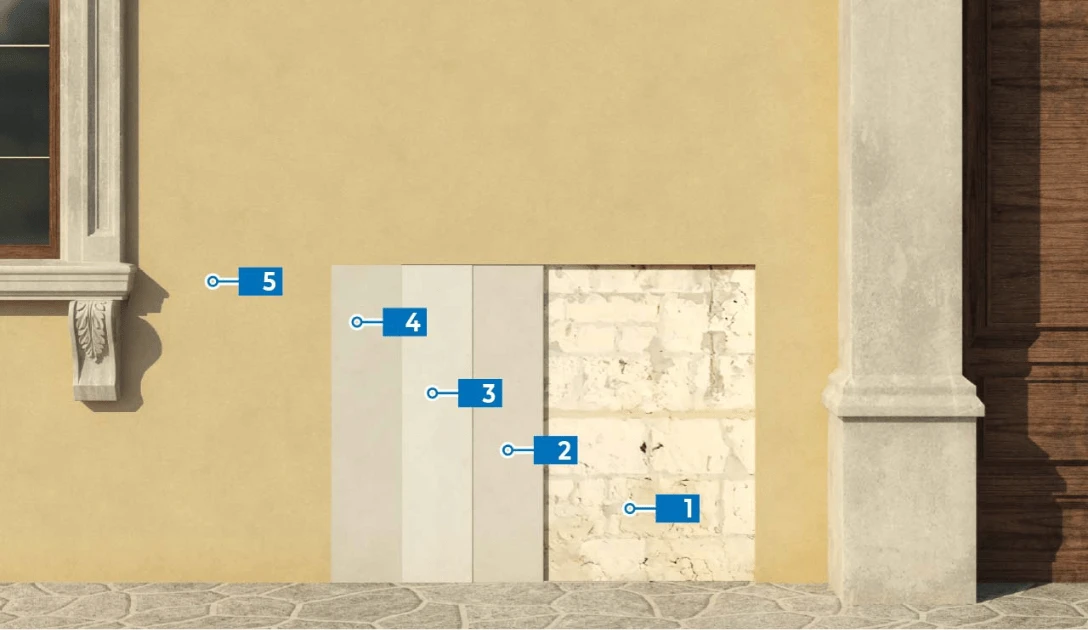
Salt Barrier (Mape-Antique Rinzaffo): A salt-resistant base coat is applied to prevent minerals from the old wall from migrating to the surface.
Dehumidifying Layer (Mape-Antique MC): The core macroporous plaster is applied to facilitate the "breathing" process, actively removing moisture from the structure.
Artisanal Finish (Mape-Antique Finish): A breathable, fine-textured finishing coat is applied, followed by Silicate-based paints to ensure aesthetic beauty without blocking the vapor flow.
Summary: A Sustainable Legacy
Investing in the Mape-Antique system is an investment in history. While traditional cement might offer a quick fix, it often accelerates the destruction of heritage walls. By choosing a breathable, lime-based system, you are ensuring that the spirit and structure of the building are preserved for the next generation.
Bel Vedere Professional Insight: "Restoration is about understanding the past to protect the future. With Mape-Antique, we don't just fix walls; we restore the building's ability to exist in harmony with its environment."